What Is a Stroke?
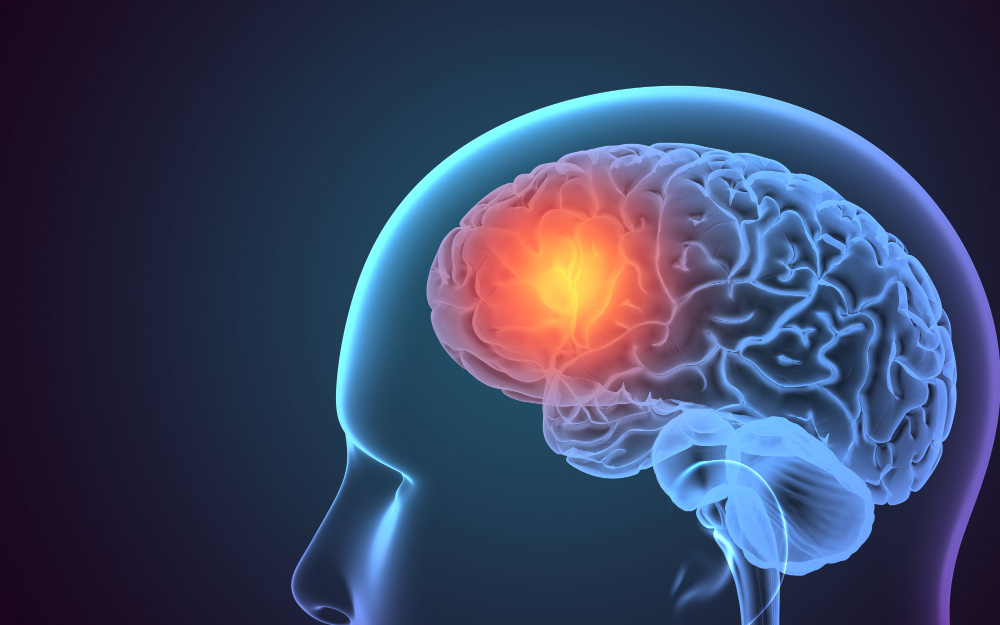
Stroke is a medical emergency. It happens when blood flow to part of the brain stops. Without blood, brain cells start to die within minutes. Because of this, quick action is vital. Stroke Awareness: Time Lost Is Brain Lost means every second counts. Strokes can cause lasting brain damage, disability, or even death. Knowing what a stroke is helps you act fast and save lives.
Why Time Matters in Stroke
Every minute after a stroke, brain cells die. For example, the faster a person gets treatment, the better their chance of recovery. Early treatment can reduce brain damage. In fact, doctors say, “Time lost is brain lost.” So, acting quickly can make a big difference. Delays can lead to more severe problems or even death. Therefore, knowing what to do right away is crucial.
Common Symptoms of Stroke
Recognizing stroke warning signs can save lives. Symptoms often appear suddenly. If you notice any of these, act FAST:
Sometimes, symptoms may be mild or go away quickly. However, even brief symptoms need emergency care.
Causes and Risk Factors
Strokes happen for different reasons. Most strokes are caused by a blocked blood vessel in the brain. This is called an ischemic stroke. Others happen when a blood vessel bursts. This is called a hemorrhagic stroke. Some people have a higher risk of stroke. Common risk factors include:
Because these risks add up, managing them can help prevent stroke.
How to Respond: FAST Action Steps
When you spot stroke warning signs, use the FAST method. This helps you remember what to do:
Remember, act FAST for stroke. Quick response can save brain cells and lives.
Diagnosis and Immediate Treatment
Doctors use tests to confirm a stroke. For example, they may use a brain scan like a CT or MRI. These tests show if there is bleeding or a blocked vessel. Once diagnosed, treatment starts fast. For some strokes, doctors give medicine to break up clots. Others may need surgery. Early treatment can reduce brain damage. Because of this, getting to the hospital quickly is vital.
Prevention Tips and Lifestyle Guidance
Although some risk factors cannot be changed, many can. Here are some stroke prevention tips:
By following these tips, you can lower your risk and protect your brain health.
Key Facts and Statistics
Because stroke is common, knowing the facts helps everyone stay prepared.
Conclusion and Call-to-Action
In summary, stroke is a serious emergency. Time lost is brain lost. Knowing stroke warning signs and acting FAST can save lives. If you notice any signs of stroke, seek emergency medical help immediately. Consult Dr. Sunaina Chouhan for personalized advice and regular check-ups. Your quick action can make all the difference.