What is Chemotherapy?
Chemotherapy is a treatment that uses strong medicines to fight cancer. Doctors often call it “chemo” for short. These medicines travel through the body and target cancer cells. Because of this, chemotherapy can help shrink tumors or stop cancer from spreading. Many people have questions about chemotherapy, so let’s explore the basics.
How Does Chemotherapy Work?
First, chemotherapy targets cells that grow and divide quickly. Cancer cells usually grow faster than normal cells. Because of this, chemotherapy can damage or kill cancer cells more than healthy ones. However, some healthy cells may also be affected. For example, cells in the mouth, stomach, and hair roots can be sensitive to chemo. This is why side effects can happen.
Common Reasons for Chemotherapy
Doctors use chemotherapy for several reasons. Sometimes, it is the main treatment for cancer. Other times, it is used along with surgery or radiation. Here are some common reasons:
Each patient’s treatment plan is unique. Therefore, your doctor will explain why chemotherapy is right for you.
What to Expect During Treatment
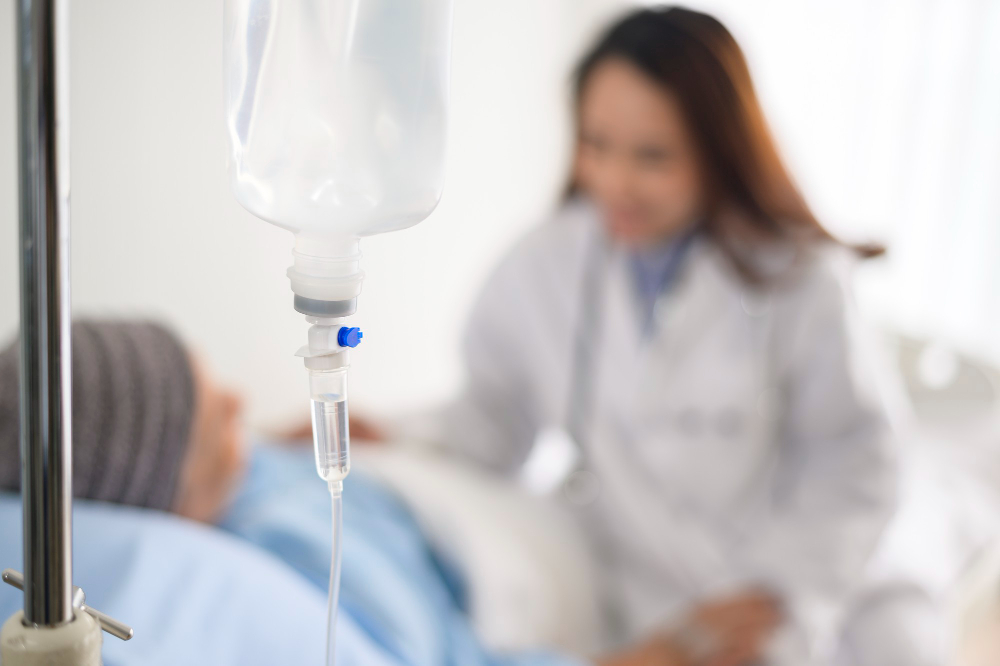
Before starting chemotherapy, your doctor will explain the plan. You may have tests to check your health. During treatment, you might get chemo through a vein, as pills, or as an injection. Some people get treatment at a hospital, while others visit a clinic. Each session can last from a few minutes to several hours. Afterward, you may need rest. Because everyone’s experience is different, it helps to ask your care team what to expect during chemotherapy.
Common Side Effects and How to Manage Them
Chemotherapy side effects can vary. Some people have mild effects, while others feel more discomfort. Here are some common side effects and tips to manage them:
Always tell your doctor about any side effects. Early help can make you feel better.
Frequently Asked Questions About Chemotherapy
Tips for Patients Undergoing Chemotherapy
Going through chemotherapy can be challenging. However, these tips may help you cope better:
Prevention and Lifestyle Guidance
While chemotherapy treats cancer, healthy habits can support your recovery. For example, eating a balanced diet helps your body heal. Avoiding tobacco and limiting alcohol can lower your risk of other health problems. In addition, regular check-ups help your care team track your progress. Always follow your doctor’s advice about medicines and activities.
For more information, you can visit trusted sources like the World Health Organization (WHO) and the Centers for Disease Control and Prevention (CDC).
Remember: Every person’s journey with chemotherapy is unique. Consult a healthcare specialist for personalized advice about chemotherapy.