
What Is a Hernia?
A hernia happens when an organ or tissue pushes through a weak spot in muscle or tissue. Often, you may notice a bulge under your skin. Sometimes, this bulge can be painful, especially when you cough or lift something heavy. Hernias are common and can affect people of all ages. In many cases, doctors suggest surgery if the hernia causes pain or grows larger. For some, the best option is laparoscopic hernia repair. This is a minimally invasive hernia treatment that uses small cuts and a camera to fix the problem.
Common Symptoms of Hernias
Hernia symptoms can vary. However, most people notice a lump or swelling in the affected area. You may also feel discomfort or pain, especially when bending, coughing, or lifting. Sometimes, hernias do not cause pain at first. But over time, symptoms may get worse. Watch for these signs:
If you notice sudden pain, nausea, or vomiting, seek medical help right away. These could be signs of a serious problem.
Causes and Risk Factors
Many things can cause a hernia. Often, hernias happen when muscle tissue becomes weak. This weakness can be present at birth or develop over time. Some common causes and risk factors include:
Because some risk factors can be managed, making healthy lifestyle choices may help lower your risk.
Diagnosis of Hernias
Doctors usually diagnose hernias during a physical exam. They may ask you to stand, cough, or strain to see if a bulge appears. In some cases, imaging tests like ultrasound or CT scans help confirm the diagnosis. Early diagnosis is important. That way, you can discuss the best treatment options, including when to consider hernia surgery.
What Is Laparoscopic Hernia Repair?
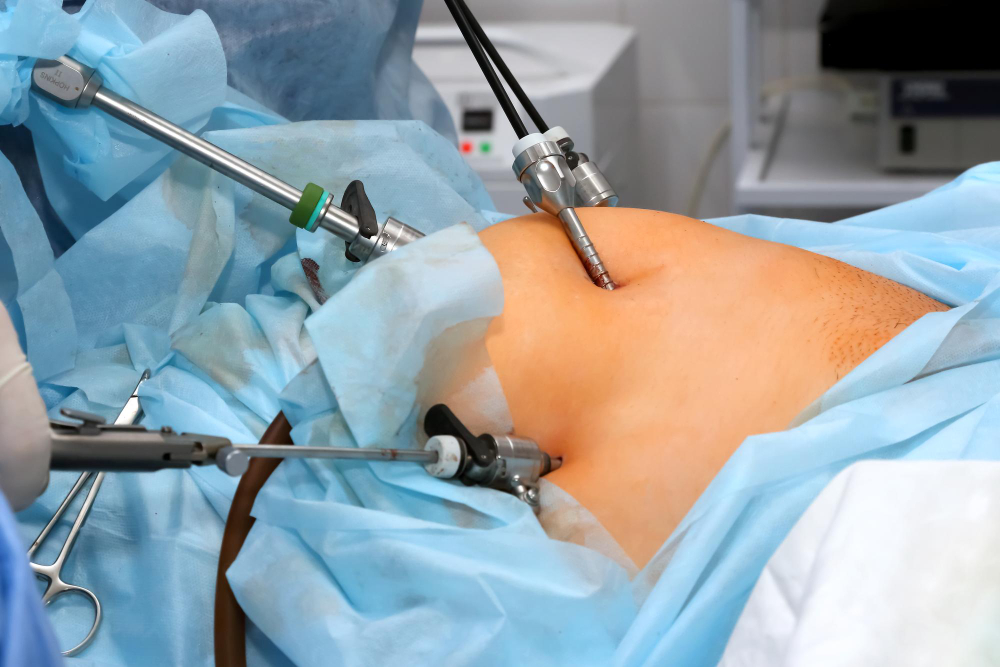
Laparoscopic hernia repair is a type of minimally invasive hernia treatment. During this surgery, the doctor makes a few small cuts in your abdomen. Then, a thin tube with a camera (called a laparoscope) is inserted. Special tools are used to fix the hernia and strengthen the weak area with mesh. Because the cuts are small, recovery is often faster than with open surgery.
When Is Laparoscopic Repair Needed?
Not all hernias need surgery right away. However, laparoscopic repair may be needed if:
For some people, especially those with certain health conditions, open surgery may be a better choice. Always talk to your doctor about the best option for you. If you are searching for “hernia surgery near me,” ask about laparoscopic options in your area.
Benefits and Risks of Laparoscopic Surgery
Laparoscopic hernia repair offers many benefits. For example, you may have less pain after surgery. Also, you may return to normal activities sooner. Other benefits include:
However, every surgery has risks. Possible risks of laparoscopic hernia repair include:
Because each person is different, discuss the risks and benefits with your doctor before deciding.
Recovery and Aftercare Tips
After laparoscopic hernia repair, most people recover quickly. Even so, following your doctor’s advice is important. Here are some tips for a smooth recovery:
Usually, you can return to light activities within a few days. However, always check with your doctor before resuming exercise or work.
Prevention and Lifestyle Guidance
While not all hernias can be prevented, some steps may lower your risk. For example, you can:
Because early action can help, see a doctor if you notice hernia symptoms. That way, you can get the right treatment before problems develop.
In summary, hernia: when laparoscopic repair is needed depends on your symptoms and health. Consult a specialist at the Regenerate Clinics for personalized guidance on hernia treatment options.