Introduction
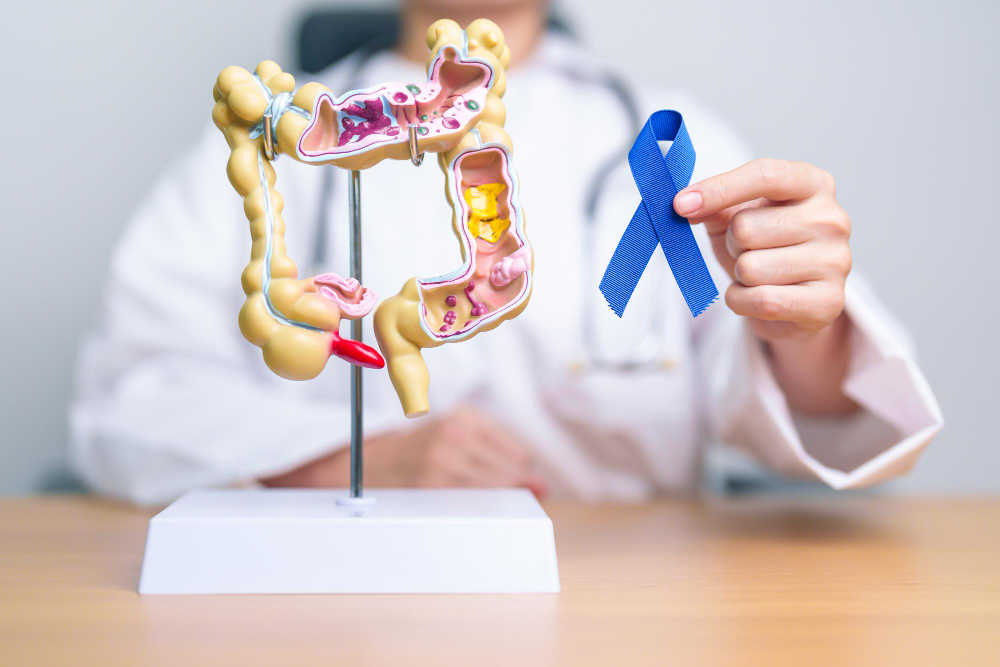
Colorectal cancer affects the colon or rectum. It is one of the most common cancers worldwide. Early detection of colon cancer can save lives. Many people do not notice symptoms at first. However, knowing the early warning signs of colorectal cancer is important. With regular screening, you can catch problems early. This increases the chance of successful treatment. According to the CDC, screening has helped lower death rates from this cancer.
Early Warning Signs of Colorectal Cancer
Often, colorectal cancer starts with no symptoms. But as it grows, some early warning signs may appear. It is important to pay attention to changes in your body. For example, you should watch for:
Sometimes, these symptoms can be caused by other conditions. However, you should not ignore them. If you notice any of these signs, talk to your doctor right away. Early detection of colon cancer makes treatment easier and more effective.
Why Screening Is Essential
Screening helps find colorectal cancer before symptoms appear. In many cases, screening can even find and remove small growths called polyps. These polyps can turn into cancer if left untreated. Because of this, screening saves lives. According to the World Health Organization, regular screening lowers the risk of dying from colorectal cancer. In addition, screening can catch cancer at an early stage, when it is easier to treat. For these reasons, everyone should know the benefits of colorectal cancer screening.
Who Should Get Screened and When
Most people should start screening at age 45. However, some may need to start earlier. For example, you may need early screening if you have:
Screening tests include colonoscopy, stool tests, and flexible sigmoidoscopy. Your doctor can help you choose the best test. It is important to follow the screening schedule your doctor recommends. If you live in a high-risk area or have risk factors, ask about early detection of colon cancer.
Prevention Tips and Healthy Lifestyle Guidance
While not all cases can be prevented, you can lower your risk. Healthy habits make a big difference. For example, you can:
In addition, regular check-ups help catch problems early. Because prevention is better than cure, these steps are important. Talk to your doctor about how to prevent colorectal cancer and keep your colon healthy.
Conclusion & Call-to-Action
Colorectal cancer can be serious, but early warning signs and screening offer hope. By knowing the symptoms and getting regular tests, you can protect your health. Remember, early detection of colon cancer saves lives. If you notice any changes or have questions about screening, consult a healthcare professional at The Regenerate Clinics for personalized advice and timely screening.