
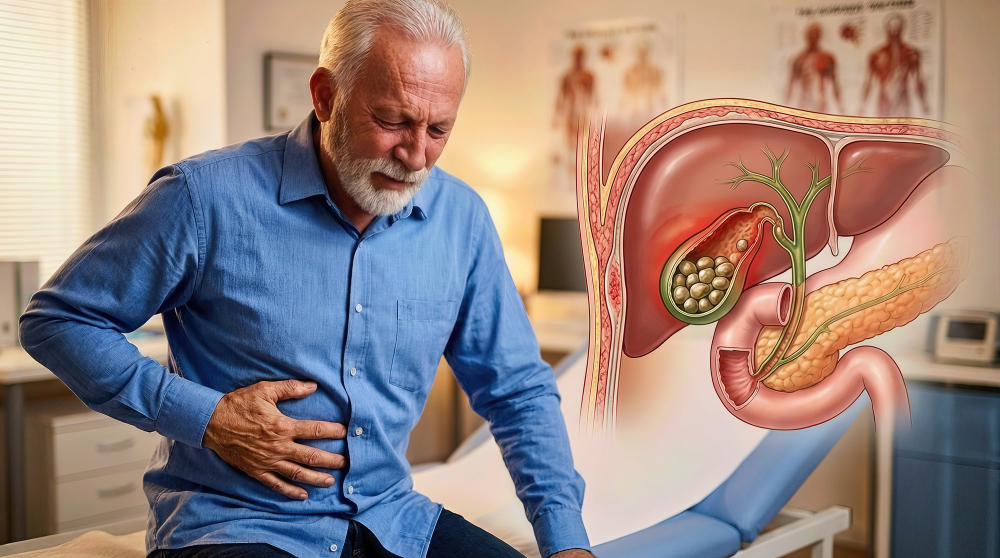
What Are Gallbladder Polyps?
Gallbladder polyps are small growths that form on the inside lining of the gallbladder. The gallbladder is a small organ below your liver. It stores bile, which helps your body digest fat. While most gallbladder polyps are harmless, some may need attention. For example, a few polyps can grow larger or become cancerous over time. However, most people with gallbladder polyps do not develop serious problems.
Common Causes of Gallbladder Polyps
Doctors are still learning about the exact causes of gallbladder polyps. Even so, several factors may increase your risk. For instance, some people develop polyps due to:
In addition, certain medical conditions, such as liver disease, may play a role. But, most gallbladder polyps develop without a clear cause.
Symptoms and When to Seek Medical Help
Many people with gallbladder polyps have no symptoms. In fact, most polyps are found by chance during tests for other issues. Still, some people may notice signs, especially if the polyps are large. For example, gallbladder polyp symptoms can include:
However, these symptoms can also be caused by other problems. Therefore, you should see a doctor if you have ongoing pain, severe discomfort, or yellow skin. Early care can help rule out serious issues.
How Gallbladder Polyps Are Diagnosed
Doctors use several methods for diagnosing gallbladder polyps. Usually, an ultrasound scan is the first step. This test uses sound waves to create pictures of your gallbladder. As a result, doctors can see if polyps are present and measure their size. In some cases, other tests may be needed, such as:
In many cities, you can find clinics that offer gallbladder polyp diagnosis in your area. For example, many hospitals in large cities use the latest imaging tools. Early and accurate diagnosis helps guide the best treatment for gallbladder polyps.
Management and Treatment Options
Treatment for gallbladder polyps depends on their size and type. Most small polyps do not need surgery. Instead, doctors may suggest regular check-ups to watch for changes. However, if a polyp is larger than 1 centimeter, or if it looks suspicious, surgery may be needed. The most common treatment is removing the gallbladder, called cholecystectomy. This is often done using small cuts and a camera. In some cases, doctors may recommend surgery if you have other gallbladder problems, such as stones or pain. Your doctor will discuss the best plan for you.
Preventive Measures and Lifestyle Tips
While you cannot always prevent gallbladder polyps, healthy habits may lower your risk. For instance, you can:
Because early changes in the gallbladder often cause no symptoms, regular health checks are important. For the right care, consult Dr. Sunaina Chouhan now.