Introduction
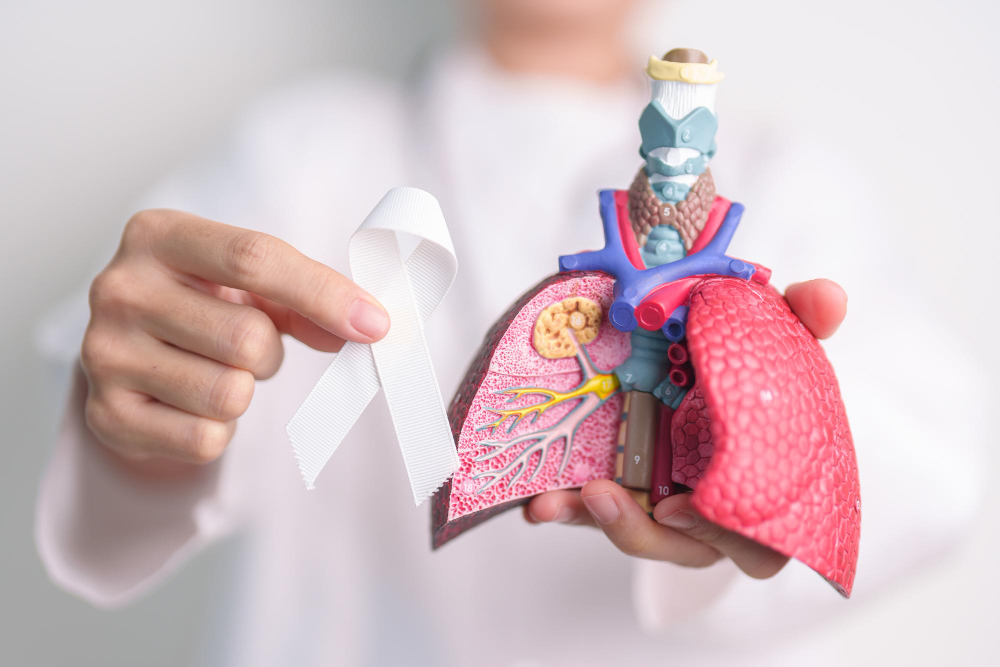
Lung cancer is a serious health concern worldwide. In fact, it is one of the most common cancers. Early detection can save lives. However, many people do not notice symptoms until the disease is advanced. This blog explains lung cancer risk factors, early signs, diagnosis, and treatment options. You will also find prevention tips and advice on when to see a doctor.
What is Lung Cancer?
Lung cancer starts when cells in the lungs grow out of control. These cells form a lump or tumor. Over time, the tumor can spread to other parts of the body. There are two main types of lung cancer:
Both types need medical care. But, treatment may differ for each type.
Key Risk Factors
Many things can increase your risk of lung cancer. Some risk factors can be changed, while others cannot. Knowing these can help you make healthy choices. Here are the main risk factors:
While you cannot change your family history, you can avoid smoking and limit exposure to harmful substances.
Early Signs and Symptoms
Often, lung cancer does not cause symptoms in the early stages. But, some early signs may appear. Recognizing these can help you seek care sooner. Watch for these symptoms:
However, these symptoms can also be caused by other conditions. Still, it is important to talk to a doctor if you notice any of them.
Diagnosis Methods
Doctors use several tests to diagnose lung cancer. Early diagnosis can improve treatment results. Common methods include:
Sometimes, doctors may use more than one test to confirm the diagnosis.
Treatment Approaches
Lung cancer treatment depends on the type, stage, and your health. Doctors may use one or more of these options:
Doctors will discuss the best lung cancer treatment options for you. Sometimes, treatments are combined for better results.
Prevention Tips
While not all lung cancers can be prevented, you can lower your risk. Try these tips:
Even small changes can make a big difference over time.
When to See a Doctor
If you notice any early signs of lung cancer, do not wait. See a doctor right away. Early care can improve your chances of recovery. Also, if you have risk factors like smoking or family history, ask your doctor about screening tests. In some cities, special lung cancer screening programs are available for high-risk people.
Conclusion
Lung cancer is a serious disease, but early action can help. Knowing the risk factors and early signs is important for everyone. If you have concerns or symptoms, do not delay. Consult Dr. Sunaina Chouhan for personalized advice on lung cancer prevention and treatment.