
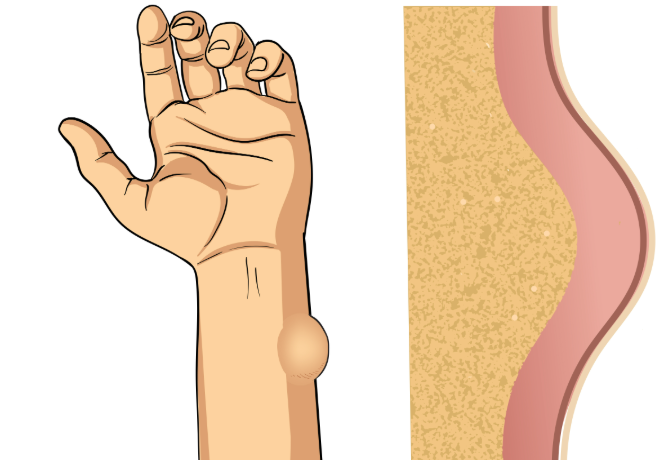
What Is Soft Tissue Sarcoma?
Soft tissue sarcoma is a rare type of cancer. It starts in the soft tissues of the body, such as muscles, fat, nerves, or blood vessels. These tissues help connect, support, or surround other body parts. Although soft tissue sarcoma can occur anywhere, it often appears in the arms, legs, or abdomen. Because it is uncommon, many people may not know the early signs. However, learning about this cancer can help with early detection and better outcomes.
Common Symptoms and Warning Signs
Early on, soft tissue sarcoma may not cause pain. Still, it is important to watch for changes in your body. For example, you may notice:
Sometimes, these symptoms can be caused by other conditions. Yet, if you notice a lump that does not go away, you should see a doctor. Early action can make a big difference.
Main Causes and Risk Factors
Doctors do not always know what causes soft tissue sarcoma. However, some factors may raise your risk. For instance:
Most people with soft tissue sarcoma have no clear risk factors. Still, knowing these risks can help you stay alert to changes in your health.
How Is Soft Tissue Sarcoma Diagnosed?
When you visit a doctor with a lump or swelling, they may start with a physical exam. Next, they may order imaging tests to learn more. For example, you might have:
After imaging, a biopsy is often needed. During a biopsy, a small piece of tissue is removed and checked under a microscope. This helps confirm if the lump is cancer. Although waiting for results can be stressful, these steps are important for a correct diagnosis.
Treatment for Soft Tissue Sarcoma
Treatment depends on the tumor’s size, location, and type. Your doctor will discuss the best plan for you. Common options include:
Sometimes, doctors use a mix of treatments. For example, radiation may be given before or after surgery. Each person’s plan is unique, so it is important to ask questions and understand your options.
Lifestyle Guidance and Coping Strategies
Facing soft tissue sarcoma can feel overwhelming. Yet, there are ways to cope and support your health. For instance:
Moreover, follow your doctor’s advice and attend all appointments. This helps you stay on track with your treatment and recovery.
Can Soft Tissue Sarcoma Be Prevented?
There is no sure way to prevent soft tissue sarcoma. Most cases happen without a clear cause. However, you can lower your risk by:
Even though prevention is not always possible, early detection can improve outcomes. Therefore, check your body for unusual lumps and see a doctor if you notice changes.
When to Seek Help
If you notice a lump or swelling that does not go away, do not wait. Consult Dr. Sunaina Chouhan for personalized guidance. Early care can make a big difference in your health and recovery.